





Listening
When the Quran is recited, listen to it attentively and be silent, so you may be shown mercy.
Surah Al A’raf 7:204
Have you ever wondered what the differences between hearing and listening are? The first is an involuntary act; sounds enter the ear, moving the fluids and bones in the auditory canal which then sends vibrations to the brain. We are constantly hearing sounds, just like breathing and blinking. Listening, on the other hand, is a very conscious act. Listening involves many things.
Listening is paying attention to the sounds that are being heard, and then deciphering these sounds that have reached the brain to bring meaning. Emma Lively says in an interview in Julia Cameron’s book, “you can develop listening like a muscle – the habit of listening. It’s a matter of turning your attention to it.” Notice the difference between hearing some music in the background and then really listening to the words. As the verse mentions; try doing that with the Quran. Really listen to the sounds of the words, their vibrations, the tone, the melody and the pauses. Has anything shifted in how you are feeling? The Quran illuminates the senses through words and sound.
Neuroscience shows that attentive listening reduces activity in the brain’s Default Mode Network, the system responsible for self-talk, distraction, and mental wandering. When this network quiets, attention deepens and receptivity increases.
In silence and listening, the mind steps aside, and what is meant for the heart is finally received.
“If we accept that sound is vibration and we know that vibration touches every part of our physical being, then we understand that sound is heard not only through our ears but through every cell in our bodies”
Dr. Mitchell Gaynor
“Through listening, the universe is my teacher. […] Listening has access to the ancients. The myths, the angels, the spirits, the mystics. In listening, there is a timelessness. They say seeing is believing – I say listening is believing.” – Pamela Markoya.
Check your pulse and breath. Then spend a few minutes listening attentively to the Quran or a repetition of the 99 Names of Allah for a few minutes. Check again – has anything changed? Notice any shifts that happen in you. Pause in silence afterward and note how you are feeling.
Spend time with a friend and really listen to what they are saying. Be present and attentive. Try not to interrupt or guess their sentences. Notice how often you’re truly listening, not just preparing to reply.
“Many studies have been conducted on the effect of healing through the Qur’an in many areas. Based on the studies, the sound of recitation of the Qur’an can improve the psychological and the physiological parameters including reducing heart rate, anxiety and stress, increasing mental health and memory performance for children and adults. Therefore, listening and reading the Qur’an can be recommended as supportive care improvement especially the psychological performance of people. This article reviews studies that have been conducted on Quranic recitation and the psychological effects associated with it.”
The Quranic-based Healing through Sound and its Psychological Effect: A Review of Literature
Oualid Hechehouche, Mariam Adawiah Dzulkifli and Intan Aidura Alias International Islamic University Malaysia
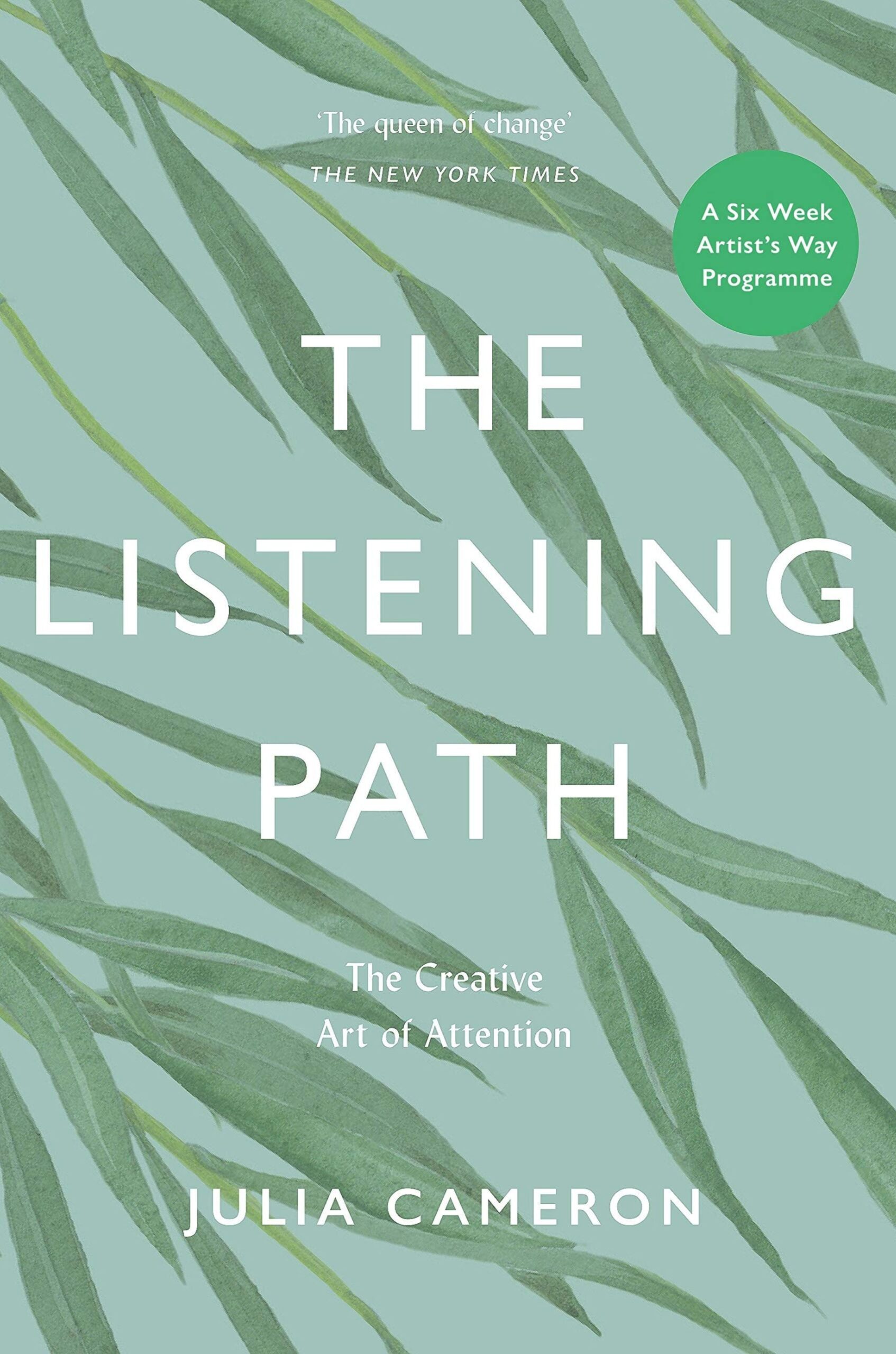
“When we listen, we pay attention. And the reward for attention is always healing. The listening path brings us all healing, insight and clarity. It brings us joy and perspective. Above all, it brings us connection.”
The Listening Path – The Creative Art of Attention – Julia Cameron